By the Editorial Team · Updated July 2, 2026
Choosing the best dental insurance for implants 2026 is less about finding one magic plan and more about understanding how implant coverage actually works so you can match a policy to your situation. Dental implants are one of the most expensive routine procedures a healthy adult is likely to face, and the way insurers classify, limit, and delay implant benefits can make a big difference in what you ultimately pay out of pocket. This guide walks through implant costs, how insurance treats them, the plan types worth comparing, and a practical step-by-step method for choosing coverage.
What Dental Implants Actually Cost
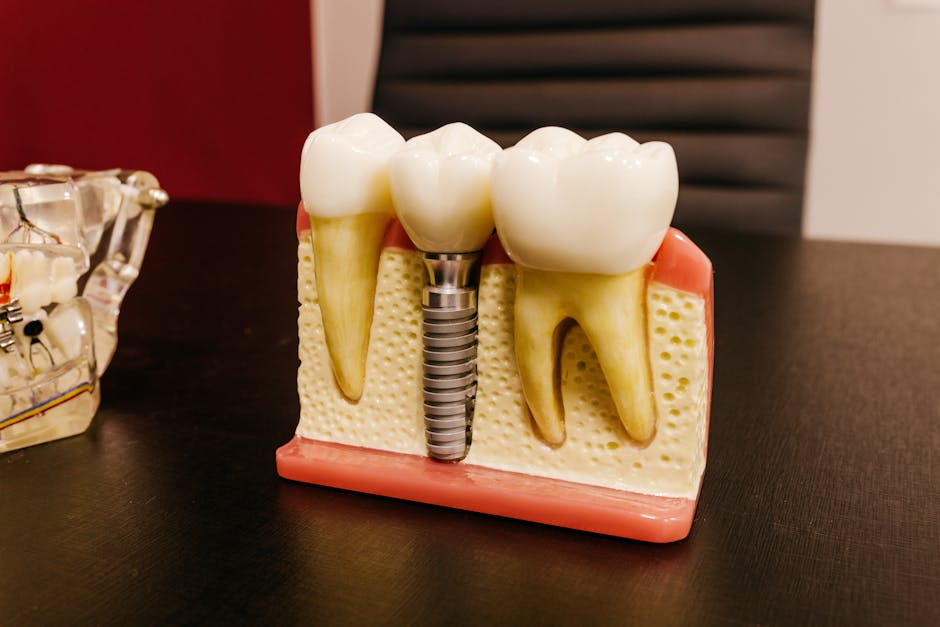
A single dental implant in the United States typically runs about $3,000 to $6,000 all-in once you account for every component, according to consumer cost data and figures cited by professional dental organizations. That “all-in” number is important because an implant is really three separate parts billed at different times: the titanium post that is surgically placed in the jaw, the abutment that connects to it, and the crown that sits on top and does the visible work of a tooth.
Costs climb quickly when there are add-on procedures. A bone graft, sinus lift, tooth extraction, or CT imaging can each add several hundred to a couple thousand dollars. Replacing multiple teeth, or moving to an implant-supported bridge or full-arch restoration, can push totals into the tens of thousands. Prices also vary widely by region, by whether you see a general dentist versus an oral surgeon or periodontist, and by the materials used. Because of that variation, treat any single figure as a starting range and always ask for an itemized written treatment plan before committing.
This is exactly why insurance matters for implants. Unlike a filling or a cleaning, an implant is a large, mostly predictable expense that many households cannot absorb in a single year. Even partial coverage, combined with tax-advantaged savings and smart timing, can meaningfully lower the sting.
How Dental Insurance Treats Implants
Here is the reality that surprises most shoppers: traditional dental insurance was designed around prevention, not major reconstruction. That design shows up in several features you need to understand before you can judge whether any plan is a good fit for implants.
Annual maximums. Most dental PPO plans cap what they will pay each year at roughly $1,000 to $2,000. That is the total the insurer pays across all your dental care for the year, not just implants. Since a single implant can cost $3,000 to $6,000, even a generous plan may only offset a fraction of one implant in a given year. Some plans now advertise higher maximums, but they usually cost more in premium.
Waiting periods. Major services like implants commonly carry a waiting period of 6 to 12 months before coverage kicks in, and occasionally longer. Buying a plan the week before surgery rarely works; insurers use waiting periods specifically to discourage that.
Coinsurance. When a plan does cover implants, it typically pays them at the “major services” tier, often around 50% coinsurance after any deductible. You are responsible for the remaining half, and only up to the annual maximum.
The Missing-Tooth Clause and Other Fine Print
One clause deserves its own spotlight because it quietly denies more implant claims than almost anything else: the missing-tooth clause (sometimes called a missing-tooth provision or pre-existing exclusion). Under this rule, a plan will not pay to replace a tooth that was already missing before your coverage started. If you lost the tooth years ago and then buy insurance to help with an implant, the claim can be denied outright regardless of waiting periods. Not every plan has this clause, so reading for it is essential.
Two related details also matter. First, some plans cover only a “least expensive alternative treatment,” meaning they will reimburse based on the cost of a cheaper option such as a bridge or denture rather than the implant you actually chose, leaving you to pay the difference. Second, frequency and downgrade limitations can affect crowns and related work. None of these are dealbreakers on their own, but together they explain why two plans with identical premiums can produce very different bills.
The American Dental Association offers plain-language patient guidance on treatment and coverage questions at ada.org, and the National Association of Dental Plans explains how dental benefits are structured at nadp.org. Both are useful, non-sales resources when you want to double-check terminology.
Comparing Plan Types for Implant Coverage
Rather than chasing a single “best” carrier, it helps to compare the main categories of coverage side by side. The table below uses typical ranges; actual figures vary by plan, employer, and state, and well-known carrier names are listed only as familiar examples of each category.
| Plan type (example carriers) | Typical annual max | Waiting period | Implant coverage | Best for |
|---|---|---|---|---|
| Full-coverage dental PPO (e.g. Delta Dental, Cigna, MetLife) | $1,000–$2,000 | 6–12 months for major work | Often ~50% after waiting period, subject to annual max and missing-tooth clause | People planning ahead who also want routine coverage |
| High-annual-max PPO (premium tiers of major carriers) | $2,000–$3,000+ | 6–12 months | Similar 50% coinsurance but a larger cap to draw from | Those expecting multiple implants over time |
| Dental savings / discount plan (e.g. membership networks) | No annual max (not insurance) | Usually none; often active in days | Discounted network rates on implants; you pay the reduced fee directly | People needing work soon or with a missing-tooth exclusion elsewhere |
| Employer group dental | $1,500–$2,000 typical | Sometimes waived or shorter | Varies; group plans may have friendlier terms than individual ones | Anyone with access through work |
Read the table as a map of trade-offs, not a ranking. A PPO spreads risk and covers cleanings, but caps and clauses limit implant payouts. A savings plan removes waiting periods and maximums but is a discount, not reimbursement. The “right” answer depends on your timeline and how many teeth are involved.
Dental Savings Plans as an Alternative
Dental savings plans, sometimes called discount or membership plans, are worth understanding because they solve the two problems that hurt implant shoppers most: waiting periods and annual maximums. These are not insurance. Instead, you pay an annual membership fee and, in exchange, get access to reduced fees from participating dentists. There is no claim to file and no reimbursement cap, so the discount applies to the full cost of an implant, including on the same day you join in many cases.
The trade-off is that you pay the discounted price directly out of pocket; the plan is not paying half the bill the way insurance coinsurance might. For someone who already lost a tooth (and would be blocked by a missing-tooth clause) or who needs treatment quickly, a savings plan can still produce meaningful savings. Always confirm your chosen surgeon or periodontist is in the plan’s network, and ask what the actual discounted implant fee would be in writing.
Combining Strategies and Using FSA or HSA Dollars
The households that pay the least for implants rarely rely on one tool. A common approach is to stack them: use an insurance plan to capture its annual maximum, then apply a dental savings plan or negotiated cash price to the remaining balance, and pay your share with pre-tax dollars.
Both a Flexible Spending Account (FSA) and a Health Savings Account (HSA) generally allow you to pay for dental implants with pre-tax money, which effectively discounts the cost by your marginal tax rate. HSAs, available with qualifying high-deductible health plans, let unused funds roll over year to year, which is useful for a planned expense like implants. FSAs are typically “use it or lose it” within the plan year, so timing contributions to the year of treatment matters. Confirm eligibility details with your plan administrator, since rules can change; the IRS outlines qualified medical and dental expenses at irs.gov.
Timing is its own strategy. Because annual maximums reset each calendar year, some patients schedule the surgical placement in December and the crown in January to draw on two years of benefits. Ask your dentist whether splitting treatment across the reset date makes sense for your case.
How to Choose a Plan for Implants: Step by Step
Use this sequence to evaluate any option methodically rather than reacting to a premium alone.
1. Get a written treatment plan first. Ask your dentist for an itemized estimate with procedure codes. You cannot judge coverage without knowing whether you need grafting, extractions, or multiple implants.
2. Search each plan’s documents for the missing-tooth clause. If your tooth is already gone, this single provision may decide everything. Rule it in or out before comparing anything else.
3. Check the waiting period against your timeline. If you can wait 6 to 12 months, a PPO becomes viable. If not, lean toward a savings plan or cash negotiation.
4. Compare annual maximums to the real bill. A $1,500 cap against a $5,000 implant means you are financing most of it yourself; know that going in.
5. Confirm the implant coinsurance tier. Verify implants are covered as “major services” and at what percentage, not merely that the plan “includes implants.”
6. Verify your provider’s network status. Out-of-network care can erase apparent savings. Confirm your specific surgeon participates.
7. Add up total annual cost. Combine premiums or membership fees with your expected out-of-pocket share, then compare that total across options rather than comparing premiums in isolation.
Weighing the Best Dental Insurance for Implants 2026 Against Paying Cash
Sometimes the honest answer is that no policy beats a well-negotiated cash price plus tax-advantaged savings, especially when a missing-tooth clause blocks reimbursement or when a single implant sits just above a low annual maximum. Insurance shines when you expect ongoing dental needs, want preventive care bundled in, or anticipate more than one implant over several years so a higher annual maximum pays off repeatedly. Run the numbers both ways for your actual estimate. The goal is not to find a plan someone labeled “best” but to identify the coverage that produces the lowest realistic total cost for your specific mouth and timeline.
Frequently Asked Questions
Does dental insurance cover implants?
Many plans do cover implants, but usually as a major service at around 50% coinsurance, subject to a waiting period and the annual maximum. Coverage is far from universal, and a missing-tooth clause can exclude a tooth lost before your policy began. Always confirm in the plan documents that implants are specifically listed, not just “restorative work.”
What is a waiting period?
A waiting period is the time you must hold a policy before certain benefits become available. For major procedures like implants it is commonly 6 to 12 months. Insurers use it to prevent people from buying coverage only when they already need expensive work, so buying a plan right before surgery usually will not help.
Are dental discount or savings plans better than insurance for implants?
They are not universally better, but they solve two big problems: they typically have no waiting periods and no annual maximums, so the discount applies immediately to the full cost. The trade-off is that you pay the reduced price directly rather than getting reimbursed. For urgent treatment or a tooth already missing, a savings plan is often the more practical choice.
How much of an implant will insurance actually pay?
Because most plans cap annual payouts at $1,000 to $2,000 and cover implants at roughly 50%, a plan often pays only a portion of one implant per year. Splitting treatment across two calendar years, or combining insurance with an FSA or HSA, can increase how much of the total is offset.
Can I use an FSA or HSA for dental implants?
Generally yes. Dental implants are usually a qualified medical expense, so FSA and HSA funds can pay for them with pre-tax dollars. HSA balances roll over year to year, while FSA funds typically must be used within the plan year. Confirm specifics with your plan administrator, since rules and limits can change.
Should I choose a plan with a higher annual maximum?
If you expect multiple implants or significant dental work over time, a higher annual maximum can be worth the extra premium because you draw on it repeatedly. For a single implant, weigh whether the added premium over several years exceeds the extra benefit you would realistically use.
Disclaimer: This article is for general educational purposes only and is not dental, medical, tax, or financial advice. Coverage terms, costs, annual maximums, waiting periods, and eligibility rules vary by plan, employer, insurer, and state, and can change over time. Verify all details in the official plan documents and consult a licensed dentist and a qualified insurance or tax professional before making decisions about implant treatment or coverage.